
Choosing the right design partner can transform how customers see your business. This guide explains how to choose a design agency UK small businesses can trust, covering goal-setting, what to look for in portfolios and a practical shortlist scorecard. Use these steps to reduce risk and pick an agency that fits your needs and budget.
How to choose a design agency UK — start here
Before you contact agencies, get clear about what you want to achieve. A well-defined brief helps you compare proposals objectively and avoid scope creep.
Why choosing the right design agency matters for your small business
How design affects brand recognition, trust and conversions
Good design shapes first impressions and helps customers understand what you offer. A consistent identity and clear website increase trust and make it easier for people to buy or enquire. For many small businesses, the right design also reduces support time and improves the effectiveness of marketing spend.
Common pitfalls when hiring the wrong agency
- Poor communication and missed deadlines.
- Aesthetic mismatch that confuses customers.
- Hidden costs from vague scopes or repeat revision cycles.
- Deliverables that don’t include usable files or IP transfer.
When to hire an agency vs using freelancers or DIY tools
Use freelancers or DIY tools for small, low-risk tasks if you already have a clear brand and limited budget. Hire an agency when you need coordinated work across logo, brand identity and website, or if you want structured project management and ongoing support. If you are unsure whether you need a redesign at all, our guide to Signs your business website needs a redesign: a practical diagnostic guide for UK small businesses can help you decide.
Define your goals before you start searching
Typical project types
- Custom logo or refresh.
- Full brand identity with guidelines and templates.
- WordPress website for a brochure site or service pages.
- Ecommerce store design and integrations.
Set measurable goals
Translate aims into measurable outcomes: brand awareness, number of enquiries, online sales or conversion rate improvements. These targets make proposals more comparable and help set realistic timelines.
Estimate budget range and timeline
Decide a sensible budget band and timeline before you speak to agencies. Rather than specifying a price, say whether you expect a small scoped project, a mid-range package or an end-to-end brand and website programme. Clear expectations lead to more relevant proposals.
What to look for in an agency — 10 checklist criteria
1. Portfolio quality and relevance
Look at case studies, not just pretty images. Useful case studies include the brief, the agency’s approach, deliverables and tangible outcomes. Check whether the style and sector match your needs.
2. Experience with small businesses and UK market understanding
Agencies that regularly work with small businesses usually understand tight budgets, phased delivery and local search considerations.
3. Range of services
Check whether the agency offers logo, brand identity, web design and ecommerce so you can avoid coordination issues between multiple suppliers.
4. Design process and project management
Ask about briefing, milestones, revision limits, and the format of final deliverables. A clear process reduces misunderstandings.
5. Technical skills
Confirm responsive design capability and platform expertise such as WordPress or common ecommerce platforms. For WordPress-specific projects see our WordPress web design page to understand typical services and benefits.
6. Transparent pricing and clear scope
Ensure quotes show what is included and what incurs extra costs — design rounds, copywriting, stock images or integrations can all add up.
7. Communication style and responsiveness
Good agencies set expectations about contact points, response times and progress reports. Ask who your day-to-day contact will be.
8. Support and maintenance after launch
Plan for updates, backups and security. Ask whether the agency offers a maintenance retainer or one-off handover support.
9. Client references and demonstrable results
Request references from clients with similar projects. Ask about timelines, collaboration and whether outcomes matched expectations.
10. Legal and practical checks
Confirm contract terms cover deliverables, milestones, data protection, IP transfer and cancellation. Make sure you will receive source files and (where relevant) administrator access to sites.
Comparing agencies by service — what each specialist offers
Custom logo design and brand identity: when you need a bespoke identity
Choose bespoke logo work when your business needs a unique mark, flexible file formats and brand guidelines. For a focused logo option see our custom logo design service. If you are weighing up low-cost generators versus professional design, read custom logo design vs logo maker: which is better for a small business?
WordPress web design for small business websites: benefits and considerations
WordPress suits many small businesses because it is adaptable and widely supported. When choosing an agency for a WordPress site, prioritise clean templates, security basics and editable page content. Learn why responsive design matters in our article Why responsive web design for small business matters: a guide for UK local businesses, which explains what to expect technically.
Ecommerce store design
For online stores, check the agency’s ecommerce experience, integrations (payment providers, stock management) and post-launch support. See our e-commerce store design service for examples of specialist ecommerce work.
When a full brand identity package is a better investment than a logo alone
Buying a full brand identity makes sense when you want consistent messaging across channels, reusable templates and long-term brand value. For growing businesses considering a wider programme, read about our brand identity design offering to understand typical deliverables.
How to evaluate portfolios and case studies (with examples of red flags)
What a useful case study contains
- Clear brief and objectives.
- Design approach and decisions.
- Deliverables and examples of final assets.
- Evidence of results where relevant (qualitative or quantitative).
Red flags
- Overly generic portfolios with repeated templates.
- No explanation of the problem or approach.
- Stock screenshots instead of live examples.
Questions to ask about similar projects
Ask how the agency handled unexpected issues, whether they met timelines and how they measured success for projects like yours.
Practical steps to shortlist and vet agencies
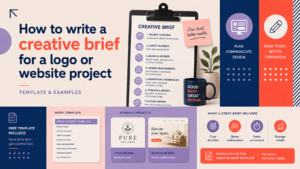
How to write a clear brief
Include background, objectives, target customers, must-have features, examples you like, budget band and desired timeline. A clear brief produces comparable proposals.
Phone/meeting checklist
- Who will manage the project day-to-day?
- What is the proposed process and number of revision rounds?
- Which deliverables are included and in what formats?
- How are additional costs handled?
How to compare proposals and assess value
Compare scope, timeline and people assigned, not just price. Look for evidence of relevant experience and realistic milestones. A cheaper quote that omits key tasks may cost more later.
Requesting references and verifying work
Contact references and ask about collaboration, punctuality and whether the final work matched the proposal.
Making the decision and onboarding the chosen agency
What to include in the contract
- Detailed deliverables and milestones.
- Revision limits and change control process.
- Payment schedule linked to milestones.
- IP ownership and file handover terms.
Onboarding checklist
Provide brand assets, access to analytics, any existing copy, key contacts and a list of approvals. Agree a communication cadence for updates and approvals.
Cost considerations and getting value from your investment
What typically affects cost
Scope, number of design rounds, custom development and third-party integrations are common cost drivers. For more context on logo-related costs, see our professional logo design cost UK: a practical cost guide for small businesses.
Fixed-price vs time-and-materials
Fixed-price works well with a clear brief and defined deliverables. Time-and-materials suits exploratory or iterative projects. Choose whichever aligns with how much uncertainty remains in your brief.
Ways to reduce risk and control costs
- Phase the project into essential launch items and later enhancements.
- Agree on a maximum revision count and change control process.
- Ask for clear estimates for additional work before it begins.
Checklist: final decision scorecard for shortlisting agencies
Use these scoring categories to compare agencies side-by-side. Score each from 1 (weak) to 5 (strong):
- Portfolio relevance
- Process clarity
- Technical fit
- Communication and availability
- Price and value
Suggested pass threshold: average score of 3.5 or higher, plus no critical red flags in legal or IP terms.
FAQ
How do I choose a design agency in the UK for a small business?
Start with a clear brief, check portfolios for relevant work, ask about process and technical skills, verify references and compare proposals by scope, not only price.
Should I pick a local agency or work with a remote design studio?
Local agencies can be helpful for face-to-face meetings, but remote teams often offer broader expertise. Prioritise process, communication and prior experience over location.
What questions should I ask agencies when requesting a proposal?
Ask about team members, milestones, deliverables, revision policy, maintenance options and how they handle unexpected changes.
How do I compare agency proposals if each one offers a different approach?
Map proposals back to your brief: which includes your must-haves, realistic timelines and clear responsibilities. Use the decision scorecard to compare objectively.
Is it better to hire a specialist (logo or ecommerce) or a full-service agency?
Choose a specialist when you need deep platform knowledge (for example ecommerce). Choose a full-service agency when you want a single partner to deliver coherent brand and web work.
What should be included in the contract to protect my business?
Include deliverables, payment schedule, IP transfer, timelines, revision limits and cancellation terms. For legal or tax specifics, seek suitable professional advice.
Next steps — If you’d like expert help refining your brief or shortlisting agencies, request a free consultation with Logo Metic to discuss your project and options.