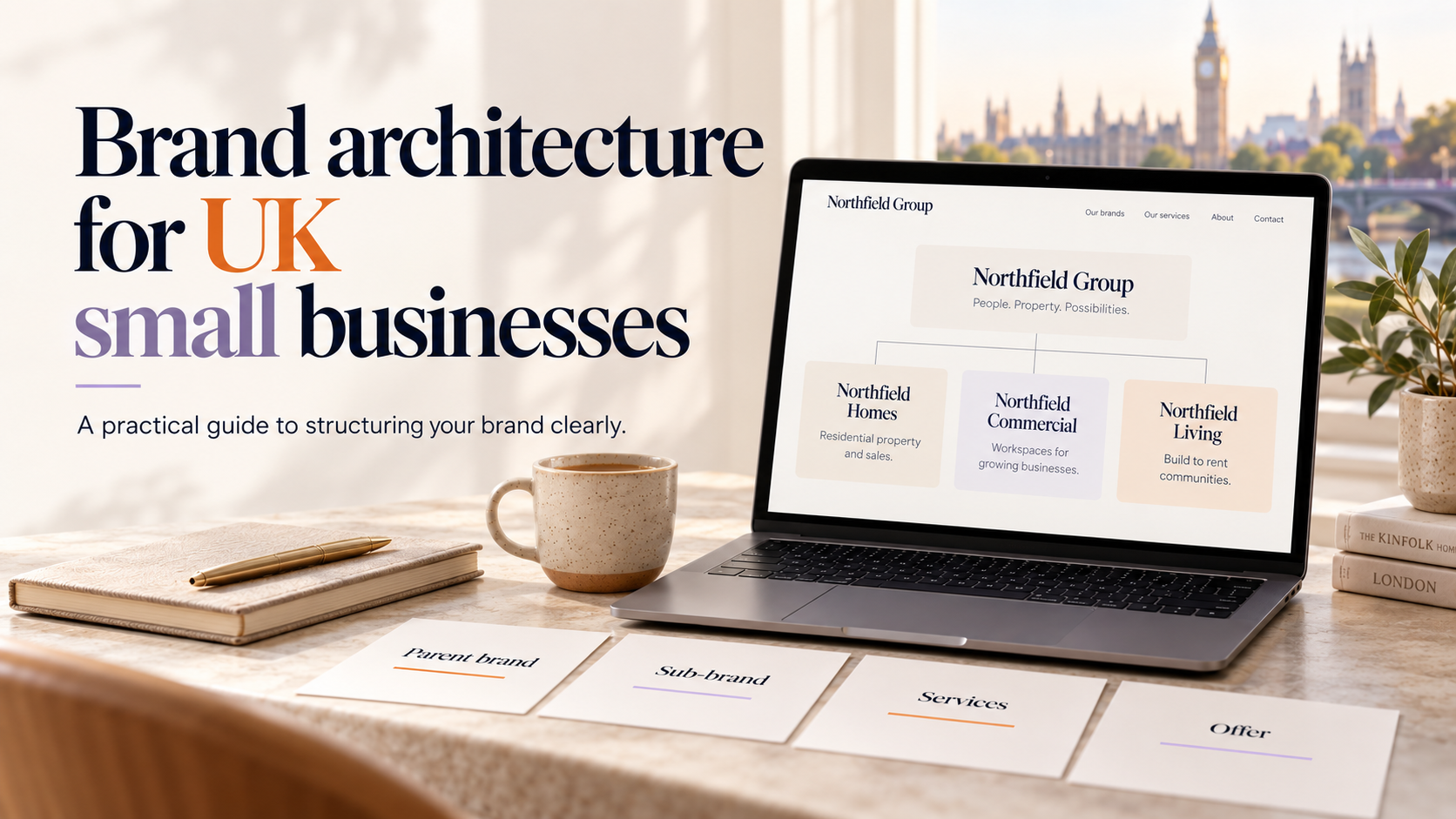
Choosing the right brand structure can save time, reduce risk and make future growth easier. This guide explains brand architecture for UK small businesses, why it matters, and gives a practical decision framework and checklists so you can decide whether to keep a single identity or create product sub-brands.
brand architecture small business uk: what it is and why it matters
What we mean by brand architecture
Brand architecture is the way a business organises, names and presents its products, services and sub-brands relative to the parent company. Typical models are:
- Single brand (house) – all products use the same brand and identity.
- Endorsed brands – sub-brands have their own names but visibly sit under a parent endorsement (eg “ParentCo Presents” or a logo lockup).
- Sub-brands / house of brands – products carry independent brand names and identities, with little or no visible connection to the parent.
How brand architecture affects customers, SEO, operations and budgets
Architecture influences customer clarity, marketing efficiency, legal exposure and search performance. A single brand simplifies messaging and concentrates trust and SEO signals. Multiple brands can target distinct audiences and protect reputation, but they increase design, content and legal costs.
A quick UK-focused example
A small Lancashire food producer selling chilled ready-meals might keep a single brand for local retail. If it launches a premium, subscription-only range nationwide, a sub-brand could help position it differently and avoid confusing existing customers.
Signs you should create a product sub-brand
Different target audiences or markets — why audience separation matters
If a product targets a materially different audience (consumer vs trade, families vs professionals, value shoppers vs premium buyers) separation helps tailor messaging, distribution and design without diluting one brand’s positioning.
Distinct price points or channels
When products sell in different channels (specialist B2B platforms, mass retail, direct subscription) or at very different price points, a sub-brand reduces channel conflict and clarifies perceived value.
Regulatory or liability separation
Products requiring separate legal disclaimers, warranties or insurance exposure sometimes need distinct trading names or companies. Seek legal advice for liability and regulatory decisions.
Reputation management
If one product line carries higher risk to reputation (eg food safety, specialist services), isolating it with a sub-brand can protect the parent and other lines.
Checklist: 7 questions that suggest a sub-brand
- Does the product target a clearly different audience?
- Will it be sold through different channels or partners?
- Does it require a distinct pricing or quality positioning?
- Are legal or regulatory needs different?
- Would a separate identity reduce reputational risk to the parent?
- Can you afford the additional marketing, design and legal costs?
- Will a sub-brand support long-term strategic goals (spin-off, sale, separate investments)?
When to keep a single brand identity
Benefits of a single brand: trust, marketing efficiency and SEO clarity
One brand concentrates trust, reduces duplicated marketing effort and keeps SEO authority on a single domain or set of pages. For many SMEs, this efficiency outweighs the flexibility of multiple brands.
When product lines are closely related or share audiences
If products solve the same customer problem, are bought together, or the brand promise is consistent across lines, keeping one identity avoids customer confusion and leverages existing recognition.
Checklist: 7 signs you should keep one brand
- Most customers overlap between products.
- Products are sold via the same channels and partners.
- Price and quality positioning are similar.
- Regulatory and liability profiles match.
- You prefer simpler marketing and lower operational cost.
- Your SEO relies on consolidated domain authority.
- You have no strategic intent to spin off or sell a product line separately.
Naming and visual identity for sub-brands
Naming approaches — pros and cons
- Modifier model (Parent Brand + Descriptor): fast to adopt, builds on trust but can limit distinct positioning.
- Descriptive sub-name (Parent: Sub-name): balances association with clarity for customers.
- Independent name: offers full separation but requires more investment in awareness and legal clearance.
Visual identity: parent brand lockups, colour systems and logo variations
Decide early how visible the parent will be. Options include a clear lockup, a subtle endorsement line, or no visible link. Create a simple colour system and logo variations so each sub-brand reads distinctly while remaining manageable.
If you need a new logo or variations for a sub-brand, consider a bespoke service such as our custom logo design to ensure consistency across applications.
Practical checks: domain availability, UK trademark considerations and naming dos and don’ts
- Check domain availability — prefer folders (example.com/sub-brand) for shared SEO strength unless separation is required.
- Carry out UK trademark checks. If the name is important to your strategy, budget for formal clearance and filing.
- Keep names short, pronounceable and avoiding negative meanings in common UK languages or regional slang.
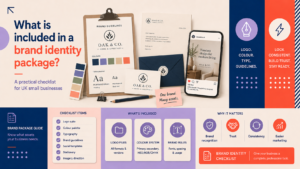
- See what is included in a brand identity package? A practical checklist for UK small businesses to understand the identity deliverables you should expect when commissioning a sub-brand.
Operational and cost considerations
Website and ecommerce implications
Decide whether sub-brands should live in folders, subdomains or separate sites. Folders (example.com/sub-brand) usually preserve SEO strength and are cheaper to maintain; separate sites give full independence but increase hosting, support and content costs. For practical restructuring or new pages, our WordPress web design service can help implement site architecture that supports your chosen model.
If you plan to split product lines in online stores, especially with different checkout rules or merchant accounts, consider engaging an ecommerce specialist such as our e-commerce store design service.
Marketing and content costs: duplication vs shared assets
Multiple brands mean separate content strategies, imagery and campaigns. Where possible, share photography, templates and tone guides to control costs.
Legal costs and trademark basics (UK context)
Budget for name clearance and trademark applications if the sub-brand identity is core to your strategy. Consult an IP solicitor for high-risk areas. For basic guidance, check UK government resources before filing.
Phased rollout and budget checklist
- Estimate design and naming costs (logo, palette, assets).
- Plan website work (pages, redirects, SEO updates).
- Allow marketing launch budget (PR, ads, content).
- Include legal searches and possible trademark fees.
- Stage the rollout to spread costs and measure impact — see How much does a small business rebrand cost in the UK? A phased, realistic breakdown for budgeting ideas.
Decision framework — a practical 5-step checklist
Step 1: Define audience and channel differences
- Map primary and secondary customers for each product.
- Record channels and partners used now and planned.
Step 2: Map risks and legal needs
List regulatory differences, warranty or liability exposure and reputation risk for each product.
Step 3: Estimate incremental cost and operational impact
Itemise design, web, marketing and legal costs for a sub-brand vs keeping one brand.
Step 4: Test with customer research or pilots
Run simple tests — landing pages, adverts or focus groups — to see if audiences respond differently.
Step 5: Decide and plan a phased rollout
Document the rationale, KPIs and a staged launch plan that includes internal training and asset libraries.
Implementation and launch checklist
Internal alignment: governance, roles and asset libraries
- Assign a brand guardian for consistency.
- Create centralised asset libraries and usage rules.
Website and SEO actions: URLs, redirects and metadata
- Decide folder, subdomain or separate site.
- Prepare redirects and update metadata to avoid duplicate content.
- Publish a straightforward FAQ or explanation page to avoid customer confusion.
Marketing launch: messaging, channels and phased communication
Communicate changes to existing customers first, then to wider audiences. Use phased announcements by channel and always explain the benefits. For tactical guidance on avoiding customer confusion during a rebrand, see How to rebrand a small business without confusing customers — a practical UK guide.
Measuring success: KPIs to watch in the first 6–12 months
- Brand awareness and sentiment for the sub-brand.
- Conversion rates and sales by channel.
- Website traffic distribution and organic rankings.
- Operational issues and customer service volume related to the change.
Mini scenarios for UK small businesses (practical examples)
Scenario A: a local café adding a premium coffee subscription
If the subscription is marketed nationwide and targets a different price point, a subtle sub-brand (Parent Name: Subscription) may help position it as premium while keeping café trade linked to the parent brand.
Scenario B: a B2B software startup launching an agent-facing toolkit
An agent toolkit with different licensing and support needs suggests a separate sub-brand or product name to separate sales motions and legal terms.
Scenario C: a retailer launching a sustainable product range
If sustainability is core to positioning and aimed at a new customer segment, a distinct sub-brand helps avoid diluting the retailer’s mainstream positioning.
How the checklist leads to different outcomes
Applying the decision steps above typically leads cafés to an endorsed model, startups to an independent product brand, and retailers to either an endorsed or independent sub-brand depending on channel strategy and cost tolerance.
Next steps and how to get help
Quick recap: how to choose between sub-brands and single identity
Choose sub-brands when audiences, channels, pricing or legal needs diverge materially and you can afford the extra cost. Keep one brand when audience overlap, cost control and SEO consolidation matter most. If you need support building parent and sub-brand systems, our brand identity design service can help map and design both brand levels.
What to expect from a branding or web consultation
A typical consultation reviews audience maps, website structure and naming options, and results in a phased plan with deliverables. For website restructuring or building sub-brand pages, consider our WordPress web design offering.
Suggested first actions to take this month
- Run the 5-step decision checklist and document the answers.
- Check domain and basic trademark availability for proposed names.
- Plan a small pilot or landing page test for customer response.
- Book a free consultation to discuss design and rollout options.
FAQ
What is the difference between a sub-brand and a product name?
A sub-brand usually has a branded identity and positioning that supports marketing beyond a simple descriptive product name. A product name can be purely functional; a sub-brand is intended to build recognition and value over time.
How much does it typically cost to create a sub-brand for a small business in the UK?
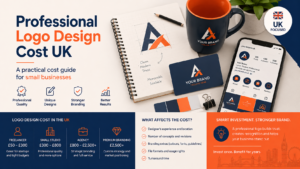
Costs vary by scope. Expect design, naming, web updates and legal checks to be part of the budget. For realistic phased cost ideas see our article on How much does a small business rebrand cost in the UK? A phased, realistic breakdown. Always request a tailored quote.
Will creating sub-brands harm my existing SEO and customer recognition?
It can if done poorly. Preserve SEO by using folders when possible, setting redirects and consolidating metadata. Clear communication prevents customer confusion. Plan the migration carefully and measure impact.
Do I need to register a trademark for a sub-brand in the UK?
Registration is not mandatory, but if a name is central to your strategy it’s sensible to conduct formal clearance and consider filing. Seek professional IP advice for specific guidance.
How do I decide whether to rebrand a product line or keep everything under one identity?
Use the decision framework above: map audiences, legal needs and costs; run small tests; estimate operational impact; then choose a phased approach you can fund and measure.
Request a free consultation with Logo Metic — if you’d like help applying this framework to your business, get in touch to discuss naming, identity design and website options.